
How to Improve Your Ford’s Fuel Economy: Maintenance and Driving Tips
With gas prices in Florida showing no signs of easing up, making every gallon count has never mattered more.
Even if you are just a short distance daily
commuter passing through Plant City or someone who just runs small errands
around Hillsborough County a couple of times a week, getting more out of your
fuel budget is something every Ford owner can benefit from.
The good news? You don't need costly upgrades
or a trip to the dealership to see real results. Most of the biggest gains come
from simple adjustments, like how you drive and how you maintain your vehicle.
At Jarrett Scott Ford, we work with Ford
vehicles every day, and we've seen firsthand how smart habits and basic
maintenance can save drivers hundreds of dollars at the pump each year. This
guide covers everything from tire pressure to driving technique, so you can get
the most out of every tank.
Maintenance
Checks That Improve Your Ford's Fuel Economy
A well-maintained Ford runs more efficiently.
Before you change how you drive, make sure your vehicle is in its best
condition. These maintenance items have a direct impact on fuel consumption:
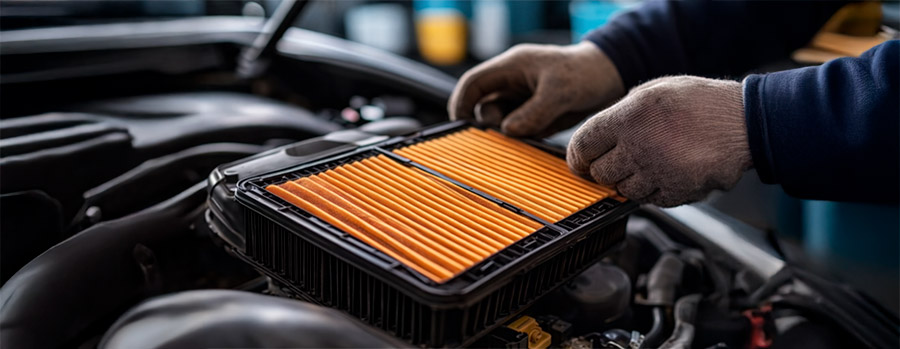
Air Filter: A clogged
air filter restricts airflow to the engine. Ford recommends inspecting it every
15,000–30,000 miles. Replacing a dirty filter can improve throttle response and
efficiency.
Engine Oil: Always use
the oil grade Ford specifies in your owner's manual. Using the wrong viscosity
creates extra engine friction and reduces mpg. For most modern Fords, 5W-30 or
0W-20 full synthetic is recommended.
Spark Plugs: Worn spark
plugs cause incomplete combustion, meaning you burn more fuel for less power.
Ford's iridium plugs last longer, but they still need periodic inspection,
especially past 60,000 miles.
Coolant & Thermostat: A
malfunctioning thermostat can prevent your engine from reaching optimal
operating temperature, keeping it in a "cold enrichment" mode that
burns more fuel than necessary.
How Your Tires Are Quietly Affecting Mileage
Underinflated tires are one of the most
common and overlooked cause of poor fuel economy.
When your tire pressure is low, the contact
patch with the road increases, creating more rolling resistance. Your engine must
work harder to maintain speed, and that extra effort shows up at the pump.
For most Ford F-150s, Explorers, Escapes, and
Edges, the recommended cold tire pressure is printed on a sticker inside the
driver's door jamb and not on the tire sidewall. Check and adjust pressure at
least once a month, and always before long highway trips. In Florida's heat,
tires can lose pressure faster than you'd expect due to temperature swings from
overnight lows to midday highs.
The TPMS (tire pressure monitoring system)
light on your Ford only triggers when pressure drops 25% below the recommended
level. By that point, you're already losing fuel economy. Don't wait for the
warning light, check manually on a regular schedule.
Driving Habits That Quietly Drain Your Tank
How you drive has at least as much impact on the
fuel economy as any mechanical factor. Here are the most common mistakes Ford
drivers make that cut into their mileage:
1. Aggressive Acceleration
Flooring the gas pedal from a stop is the
single biggest fuel waster. Smooth and gradual acceleration use significantly
less fuel. Aim to reach highway speeds over 15–20 seconds rather than 5.
2. Riding the Brakes
Constant braking and re-accelerating burns fuel that could otherwise have been preserved
through coasting. Look ahead, anticipate stops, and let the vehicle slow
naturally when possible.
3. Excessive Idling
Modern Fords warm up quickly. Idling for more
than 30–60 seconds wastes fuel with zero movement in return. If you're parked
and waiting, turning off the engine makes more sense than letting it run.
4. Speeding on the Highway
Aerodynamic drag increases exponentially with
speed. Driving at 75 mph instead of 65 mph can reduce fuel economy by 10–15%.
Using cruise control on Florida's flat highways locks you into an efficient,
consistent speed.
5. Carrying Unnecessary Weight
Every extra 100 lbs reduces mpg by roughly
1–2%. If you're hauling gear in your F-150 bed that doesn't need to be there,
take it out. Roof cargo carriers and bike racks also add aerodynamic drag even
when empty.
6. Ignoring the A/C Settings
Air conditioning is a real load on the
engine. At lower speeds in town, opening windows may be more efficient. On the
highway, keeping windows up and using A/C at a moderate setting is better than
the drag from open windows.
Use Ford's Built-In Tools to Your Advantage
Your Ford is smarter than you might think.
Most modern models come equipped with tools specifically designed to save you
money.
· EcoBoost Optimization:If you drive an F-150 or Explorer with an EcoBoost engine, let the turbochargers do the work in the mid-range power band rather than redlining every gear.
· Auto Start-Stop: This feature is engineered to be seamless. In heavy I-4 traffic, it prevents hours of unnecessary idling over the course of a month.
·
Eco Mode: If your
vehicle has selectable drive modes, use Eco Mode. It subtly adjusts throttle
sensitivity and transmission shift points to prioritize your wallet over raw
performance.
Fuel Quality and the Right Gas for Your Ford
Unless your Ford is specifically designed for
premium fuel (check your owner's manual), using higher-octane gas than required
provides no efficiency benefit and just costs more.
Most Ford EcoBoost and naturally aspirated
engines run perfectly on regular 87-octane. Using mid-grade or premium in these
vehicles is wasted money.
Be consistent with the fuel stations you use.
Top Tier certified fuel brands — available at most major stations in the Plant
City area — contain detergent additives that help keep fuel injectors clean
over time. Dirty injectors disrupt the fuel spray pattern and reduce combustion
efficiency, which shows up as lower mpg over the long run.
Get more
for the Gallon!
Improving your Ford's fuel economy doesn't
require expensive modifications or a new vehicle. It comes down to consistent
maintenance, smarter driving habits, and using the tools Ford has already built
into your truck or SUV. Start with tire pressure and oil, adjust how you
accelerate and brake, and pay attention to what you're carrying and how fast
you're going. The savings will follow.
If it's been a while since your Ford's last
service, or if you've noticed a drop in fuel economy, our service team at
Jarrett Scott Ford in Plant City is here to help. A full multi-point inspection
often reveals the small maintenance items that are quietly costing you at the
pump.
Ready to get the most from your Ford? Schedule a service appointment with our certified technicians at Jarrett Scott Ford in Plant City today.