
Driving Habits and Mistakes That are Quietly Destroying Your Car
You might be a perfectly safe and calm driver, stopping at red lights, staying in your lane, signaling your turn, but safe driving and smart driving aren't always the same thing.
There are habits behind the wheel that feel completely harmless but are
slowly grinding your vehicle down, costing you real money in repairs and
cutting years off your car's life.
At Jarrett Scott Ford in Plant City, we see the results of these habits
every single day in our service bay. The good news? Most of them are easy to
fix once you know what to look for.
Here's a breakdown of the most common driving mistakes drivers make and
how to stop them before they stop you on the side of the road.
1. Riding the Brakes Downhill
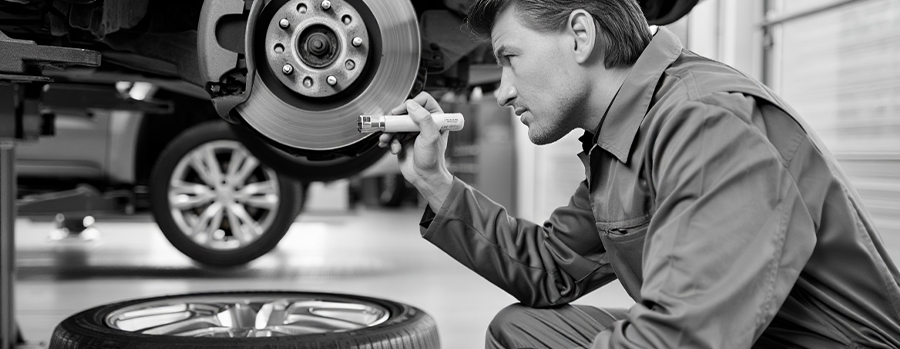
If you're coasting down a hill with your foot lightly resting on the
brake pedal, you're doing your brake pads no favors.
Constant low-pressure contact generates heat without bringing you to a
meaningful stop, which glazes the rotors and wears the pads unevenly.
What to do instead: Use engine braking, shift to a lower gear and let the drivetrain slow
the vehicle naturally. Tap the brakes firmly when you need to, then release
them. Short, deliberate brake inputs are far kinder to your system than
sustained dragging.
2. Hard Acceleration Off the Line
Plant City roads can feel wide open, especially on stretches like James
Redman Pkwy or heading out on US-92. It's tempting to punch it when the light
turns green.
But aggressive acceleration puts serious strain on your drivetrain,
burns more fuel, and spikes wear on your tires, particularly if you're doing it
every day.
Your engine and transmission are engineered to ramp up smoothly, not
spike from zero to 50 in three seconds repeatedly. Over time, hard launches
stress motor mounts, transmission bands, and your CV joints.
The fix: Ease into acceleration. You'll feel the difference in fuel economy
almost immediately, and your powertrain will thank you long-term.
3. Ignoring the Clutch in Stop-and-Go Traffic
For drivers in manual transmission vehicles, stop-and-go traffic is
where clutch damage due to traffic driving becomes a real concern.
Sitting at a red light with the
clutch pedal halfway engaged, what's known as "riding the clutch",
keeps the clutch disc and pressure plate in partial contact. That friction eats away at the disc lining constantly, even though
you're barely moving.
Heavy commuter traffic around the I-4 corridor near Plant City can turn
a clutch that should last 100,000 miles into one that needs replacing at 50,000,
simply because of how you hold your foot at a stoplight.
Better habit: At a stop, put the transmission in neutral and release the clutch
completely. Only engage it when you're ready to move. This one change alone can
dramatically extend clutch life.
4. Dealing with Stop-and-Go Traffic Damages Beyond the
Clutch
It's not just clutch damage you need to worry about in heavy traffic.
Stop-and-go driving is one of the harshest conditions any vehicle endures.
Here's why:
·
Engine temperature fluctuates more frequently, putting stress on the
cooling system and gaskets
·
Brake components wear faster because you're using them constantly rather
than at highway speeds with longer gaps between applications
·
Transmission fluid degrades more quickly due to repeated gear cycling and heat
buildup
·
Fuel injectors and intake valves accumulate carbon deposits faster in
vehicles that rarely get up to sustained highway speeds
If most of your driving in Plant City is short trips, school runs,
errands around town, commuting to the Amazon fulfillment center on Thonotosassa
Road, your car never gets the extended highway run that burns off moisture from
the oil and keeps everything properly lubricated.
What helps: Get your oil changed more frequently if the bulk of your miles are city
miles. Every 3,500 to 4,000 miles is a reasonable target for stop-and-go
drivers, even if your manual says 5,000 or 7,500.
5. Leaving Your Hand on the Gear Shift
This one flies under the radar entirely. It’s not a ‘deal breaker’ issue
but still contributes.
Manual transmission drivers often rest their hand on the gear knob while
cruising, it feels natural, almost relaxed. But the
gear selector connects directly to the selector fork inside the transmission. The
light weight of your hand applies subtle pressure to that fork against the
rotating collar, and over time, that contact slowly but surely wear down
components.
It's a habit that develops without thinking about it, and it's one of
those forms of car wear and tear due to bad driving that shows up with zero
warning, until you're looking at a transmission repair bill.
The fix is simple: Hand off the gear knob, on the steering wheel. Shift when you need to,
then let go.
6. Taking Speed Bumps and Potholes at Full Speed
Plant City isn't immune to rough pavement, and the roads in some older
neighborhoods around town have their share of dips, bumps, and cracked asphalt.
Hitting these at speed is a fast track to worn suspension components, bent
wheels, and alignment problems.
Car wear and tear due to bad driving over rough surfaces accumulate
quietly. Your struts absorb the impact; your wheel bearing takes a jolt, your tire sidewall flexes under stress. Do it
once and you'll be fine. Do it twice a day for two years and you'll feel the
wobble in your steering wheel.
Be deliberate: Slow down before speed bumps, not on top of them. A 5 mph approach to a
speed bump versus a 20 mph approach is the difference between a minor bounce
and a suspension repair.
7. Overloading Your Vehicle
SUVs and trucks get used to haul things but consistently exceeding your
vehicle's payload rating strains the suspension, overloads the brakes, and
affects handling in ways that aren't always obvious until something fails.
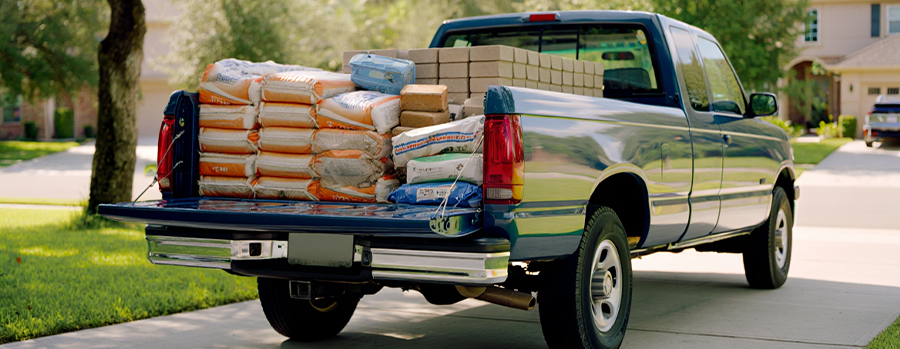
Check your owner's manual or the door jamb sticker for your vehicle's
maximum payload. If you're regularly carrying loads close to or over that limit
in your F-150 or Explorer, you're adding wear with every mile.
8. Neglecting Tire Pressure
Under-inflated tires don't just reduce fuel economy,they generate excess heat, wear unevenly across the tread, and make the vehicle
harder to control. Over-inflated tires wear down the center tread faster and
give you a harsher, less controlled ride.
Florida heat makes this worse. Tire pressure can drop 1 PSI for every
10-degree drop in temperature and rise similarly in heat. In Plant City
summers, your tires can swing several PSI throughout the day.
Quick habit: Check tire pressure once a month and before any longer drive. It takes
two minutes and it's one of the highest-return maintenance habits you can
build.
Bottom Line: Everyday Driving Tips That Save
Your Car
How to avoid car damage while driving isn't really about one single
thing. It's about building a collection of small, consistent habits:
·
Smooth on the gas, smooth on the brakes
·
Neutral at stoplights if you drive a manual
·
Eyes further down the road
·
Slow down before bumps, not on them
·
Check tire pressure monthly
·
Get more frequent oil changes if you drive primarily city miles
None of these are complicated. And every one of them saves you money.
Bring Your Vehicle to Jarrett Scott Ford in Plant City
If your vehicle is already showing signs of wear, pulsating brakes,
unusual vibrations, sluggish shifting, or that stubborn check engine light, bring
it into the Jarrett Scott Ford service team in Plant City, FL. Our certified
technicians can diagnose what's going on and get you back on the road with
confidence.
We're here to help Plant City drivers protect their investment and get the most out of every vehicle. Schedule your service appointment today, because the best repair is the one you never needed in the first place.