
How Proper Oil Care Extends the Life of Older Engines
In a community like Plant City, we’ve always had a deep-seated respect for things that endure, from the century-old architecture of our historic downtown to the multi-generational traditions of the annual Strawberry Festival.
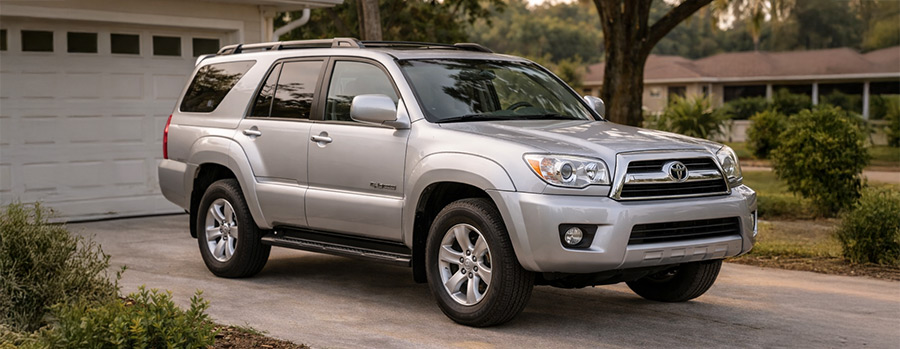
Then there’s that dependable truck in the driveway with over 150,000
miles on the odometer.
If it’s still getting the job done day in and day out, we need to
appreciate more than just the machine. We have to respect the driver who took
the time to keep it that way.
But once your vehicle moves past its factory warranty, every unfamiliar
sound feels louder. Every dashboard light feels more urgent. That
"post-warranty anxiety” is real
The good news? Engines won't suddenly go out on you. And with proper oil
care, even the most battle hard engines can be given a further spurt of life.
At Quick Lane at Jarrett Scott Ford, we see work trucks that have spent
a decade hauling through local fields to family SUVs that have survived a
thousand commutes on I-4. For these out-of-warranty vehicles, a routine engine
oil change is a crucial health check. Let's dive deeper into why that's the
case.
Oil Changes Make a Major Difference for Older Engines
Modern engines and synthetic oils have evolved, but for older engines,
oil changes remain one of the single most important serviceon your calendar.
Because as engines age, the gaps between moving parts widen. Seals
relax. Deposits build up from years of daily drives between Plant City and
Tampa.
What fresh oil does is lubricate, clean, cool, and carry away
microscopic debris.
When oil changes are delayed, that fluid breaks down. It thickens. It
collects contaminants. Instead of protecting, it begins wearing components down
like liquid sandpaper.
Consistent oil service is what separates an engine that lasts from one
that fails early.
Faster Oil Consumption in High-Mileage Engines
Many high-mileage engines gradually begin faster consumption of oil, and
it often happens so slowly that drivers don’t notice until the oil level
becomes critically low much faster over time.
Faster consumption can occur for several reasons:
·
Worn piston rings allowing oil to enter the combustion chamber
·
Aging valve seals that permit oil seepage
·
Increased internal clearances due to wear
·
Elevated crankcase pressure over time
Low oil levels reduce the total volume available for cooling and
lubrication. With less oil circulating, temperatures rise faster. The remaining
oil oxidizes more quickly. Contaminants become more concentrated.
Over time, this accelerates:
·
Bearing wear
·
Camshaft wear
·
Sludge formation
·
Oil pressure instability
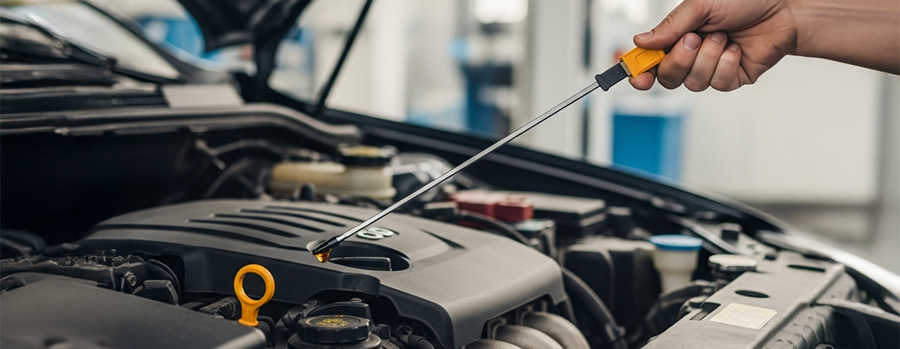
This is why checking your dipstick monthly is one of the most underrated
maintenance habits for high-mileage vehicles.
Oil Care Steps to Extend the Life of Older Engines
Here are the four essential steps you can take to protect your
high-mileage vehicle and how each one specifically helps your engine stay on
the road.
Step 1: Optimize Your Oil Viscosity for the Florida
Heat
In our climate, the "thickness" of your oil, known as oil
viscosity, is your engine’s first line of defense. High ambient
temperatures and long idles in traffic cause oil to thin out, which can be
dangerous for older engines with wider internal clearances.
· How it helps the engine: By choosing a high-mileage formulation or a slightly higher viscosity (when manufacturer-approved), you ensure a thicker protective film stays between moving metal parts.
This maintains stable oil pressure and provides the heat resistance needed to prevent internal "scuffing" or wear during those hot summer commutes on I-4.
Step 2: React Immediately to Engine Noise and Warning
Lights
Your car has a way of telling you when it’s struggling. If you hear a
new engine noise, such as tapping at startup or a deep knocking while idling,
your lubrication system is under stress. Similarly, never ignore the oil
pressure warning light (that small red oil can on your dashboard).
·
How it helps the engine: Reacting to these signs prevents "metal-on-metal" contact.
Addressing a low oil level or a pressure drop immediately stops the friction
that can destroy bearings and pistons in seconds. A quick oil refill early can
be the difference between a small repair and a total engine seizure.
Step 3: Prevent an Oil Filter Issue with Quality
Hardware
During every engine oil change, the filter you choose is just as
important as the oil itself. The filter's job is to
trap the metal shavings and debris that older engines naturally produce more of
as they age.
·
How it helps the engine: Using a premium-grade filter ensures that clean oil flows freely to the most sensitive parts of your
engine. By maintaining consistent flow and trapping contaminants, you prevent
"sludge" from clogging the small oil passages that feed your engine's
upper valvetrain.
Step 4: Schedule a Regular Multi-Point Inspection
The smartest way to extend
engine life is to catch leaks and failures before they lead to a crisis. An
out-of-warranty vehicle needs a professional set of eyes to check the
"ecosystem" around the engine.
·
How it helps the engine: A comprehensive multi-point inspection at Quick Lane allows
technicians to spot seeping gaskets before they lead to a low oil level.
By checking your cooling system and belts at the same time, we ensure that
excess heat, the #1 enemy of engine oil. doesn't degrade your lubrication
prematurely. It’s the ultimate "early warning system" for your
vehicle’s longevity.
The Quick Lane Difference in Plant City
Whether you’re driving a high-mileage Ford F-150 or a commuter from
another brand, proper oil care is what keeps it dependable long after the
warranty expires.
Engines don’t fail because they’re old. They fail because lubrication
fails.
If your vehicle has crossed into high-mileage territory, now is the time
to protect it, not wait for a noise or warning light to force the decision.
Stop by Quick Lane at Jarrett Scott Ford in Plant City. Our team will give you a full health report and help ensure your engine is ready for the next 100,000 miles.