
Why Is My Ford's Engine Oil Level Low? Common Causes Every Driver Should Know
If you've checked your dipstick and noticed your engine oil level is lower than expected, you're probably wondering, "Why is my car's oil level going down?" or "Why is my engine oil low?".
While it's normal for some engines to consume a small amount of oil
between service intervals, a rapidly dropping oil level could indicate an issue
that shouldn't be ignored.

Whether you drive a Ford F-150, Explorer, Escape, Expedition, Bronco,
Maverick, Ranger, Mustang, or Super Duty truck, maintaining the proper engine
oil level is one of the most important steps in protecting your engine and
avoiding expensive repairs.
At Jarrett Scott Ford in Plant City, our Ford Certified Technicians help
drivers identify the cause of low engine oil, perform thorough inspections, and
recommend the right repairs to keep their Ford running reliably.
Why Is Engine Oil So Important?
Engine oil does much more than lubricate moving parts. It also:
·
Reduces friction between engine components
·
Helps cool critical engine parts
·
Cleans away sludge and contaminants
·
Protects against corrosion
·
Improves engine performance and efficiency
When oil levels become too low, your engine has less protection, causing increased wear and higher operating temperatures.
7 Common Reasons Your Engine Oil Level Is Low
1. Normal Oil Consumption
Many modern Ford engines naturally consume a small amount of oil during
normal operation.
This is especially common on:
·
EcoBoost® engines
·
High-mileage vehicles
·
Vehicles frequently used for towing or hauling
·
Engines driven in extremely hot weather
If your oil level drops gradually between scheduled oil changes, it may simply be normal oil consumption.
2. Engine Oil Leak
One of the most common reasons for low oil is an external leak.
Leaks may occur from:
·
Valve cover gaskets
·
Oil pan gasket
·
Oil drain plug
·
Oil filter
·
Front or rear main seals
If you notice dark spots underneath your parked vehicle or smell burning
oil, it's a good idea to have your Ford inspected promptly.
3. Worn Engine Components
As engines accumulate mileage, internal components such as piston rings
and valve seals can wear.
When this happens, small amounts of oil may enter the combustion chamber
and burn during normal engine operation.
Signs include:
·
Frequent need to add oil
·
Blue exhaust smoke
·
Reduced engine performance
4. Turbocharged Engine Oil Consumption
Many Ford EcoBoost® engines rely on engine oil to lubricate and cool the
turbocharger.
Although they are designed for efficiency and performance, turbocharged
engines may consume slightly more oil than naturally aspirated engines under
certain driving conditions.
Regular oil level checks are especially important if you own a
turbocharged Ford.
5. Heavy Towing or Hauling
If you regularly tow trailers or carry heavy loads around Plant City and
Central Florida, your engine works harder.
Higher operating temperatures can increase oil consumption over time.
Ford recommends following the Severe Duty maintenance schedule for
vehicles used in demanding conditions.
6. Delayed Oil Changes
Old engine oil gradually loses its protective properties.
As oil breaks down, it becomes thinner and may burn more easily,
increasing overall oil consumption.
Following Ford's recommended oil change intervals helps maintain proper
engine protection.
7. Florida Heat
Plant City's high summer temperatures can place additional stress on
your engine.
Long highway drives, stop-and-go traffic, and extended idling all
increase engine temperatures, making routine oil inspections even more
important during Florida's hottest months.
How to Check Your Ford's Engine Oil
Checking your engine oil is a simple process, but it’s one of the most
important habits you can build as a Ford owner. Start by parking your vehicle
on a level surface and turning the engine off. Let it sit for a few minutes so
the oil can settle back into the pan.
Once the engine has cooled slightly, remove the dipstick and wipe it
clean. Reinsert it fully, then pull it out again to get an accurate reading.
The oil level should sit between the MIN and MAX marks on the dipstick.
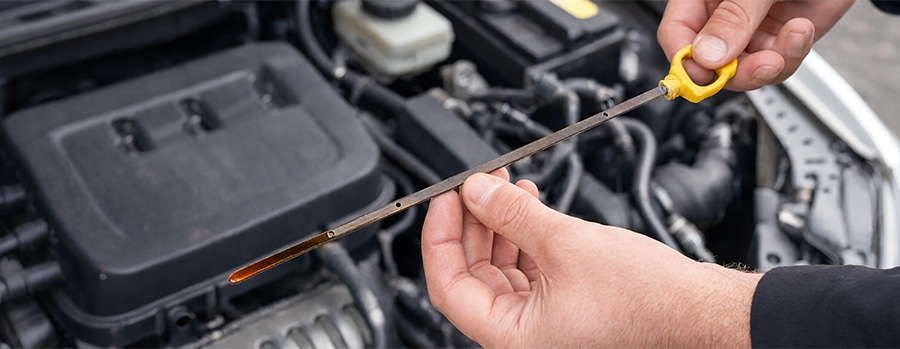
If the level is below the recommended range, it’s important to add the
correct type of oil as specified in your owner’s manual. Using the right
Motorcraft® oil ensures your engine continues to run smoothly and stays
properly protected.
Can You Keep Driving with Low Engine Oil?
Driving with low engine oil is never a good idea, even if the vehicle
still feels normal. Oil is what keeps your engine’s internal components
lubricated, and without enough of it, metal parts begin to wear against each
other.
Over time, this can lead to serious issues like overheating, bearing
damage, or even turbocharger failure in EcoBoost® engines. In the worst cases,
continued driving with low oil can result in complete engine failure.
Even if there are no immediate symptoms, low oil levels should always be
addressed as soon as possible to avoid long-term damage.
How Often Should You Check Engine Oil?
There’s no need to overthink oil checks, but consistency matters. Ford
recommends checking your engine oil regularly, especially before long road
trips or when preparing to tow heavy loads.
Many drivers find it helpful to check their oil once a month as part of
a simple maintenance routine. It’s also a good idea to take a quick look if a
warning light appears or if your vehicle has higher mileage and is used more
frequently.
These small checks can make a big difference in catching potential
issues early, before they turn into costly repairs.
Preventing Low Engine Oil
Keeping your engine oil at the proper level often comes down to a few
simple habits. Following your Ford’s recommended maintenance schedule is the
foundation, along with using the correct Motorcraft® oil and filter for your
specific engine.
It’s also important to check your oil regularly and address any leaks as
soon as they appear. Worn seals and gaskets should be replaced promptly to
prevent ongoing oil loss.
Most importantly, having your vehicle inspected by Ford Certified
Technicians ensures that any developing issues are caught early. Preventive
care is always more affordable than major engine repairs caused by low oil.
Schedule Your Ford Oil Service at Jarrett Scott Ford
If you've been asking, "Why is my car oil level going down?"
or "Why is my engine oil low?", don't ignore the warning signs.
Identifying the cause early can help prevent costly engine repairs and keep
your Ford performing reliably for years to come.
Schedule your next oil change or engine inspection at Jarrett Scott Ford in Plant City, FL. Our Ford Certified Technicians will inspect your vehicle, diagnose any oil-related concerns, and recommend the right solution so you can drive with confidence.