
How to Maximize Your Car Battery Life: 8 Smart Ways to Make Your Battery Last Longer
Your car battery has one important job: get your vehicle started and power its electrical systems. It works quietly in the background, whether you're commuting to work, running errands, or heading out on a road trip.
However,
extreme temperatures, frequent short trips, and neglected maintenance can
shorten its lifespan, leaving you with a vehicle that refuses to start when you
need it most.
How can
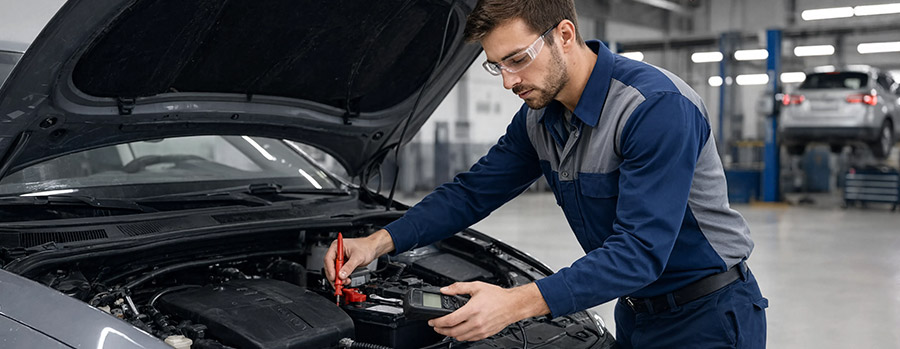
you maximize your car battery life? The best approach is to keep the battery
terminals clean, avoid unnecessary electrical drain, maintain a healthy
charging system, and have your battery tested regularly.
At
Jarrett Scott Ford, we want to help make vehicle maintenance easy. Whether
you're commuting through Plant City, heading down I-4, or planning a Florida
road trip, these eight tips can help you maintain your car battery and reduce
the risk of unexpected breakdowns.
1. How Often Should You Check Your Car
Battery?
Regular
battery inspections can help identify potential problems before they leave you
stranded.
Look for
corrosion around the terminals, loose connections, damaged cables, or swelling
and cracks in the battery case. You should also pay attention to how your
vehicle starts. If the engine cranks more slowly than usual, your battery may
be losing its ability to deliver sufficient starting power.
Most
conventional car batteries last around three to five years, although lifespan
varies depending on battery type, climate, driving habits, and maintenance.
Pro Tip: If your battery is
approaching three years old, consider having it tested periodically, especially
before a long road trip or during Florida's hottest months.
2. Can Short Trips Reduce Car Battery Life?
Yes.
Frequent short trips may prevent your battery from recovering the energy used
to start your engine, particularly when your vehicle's electrical accessories
are running.
When the
engine is running, the alternator helps power electrical systems and recharge
the battery. However, repeated short journeys may not provide sufficient
charging time, potentially contributing to premature battery deterioration.
To help
maintain battery charge:
·
Combine nearby errands when practical.
·
Avoid repeated short trips when a longer journey is convenient.
·
Consider a compatible battery maintainer if your vehicle sits unused for
extended periods.
·
Have your battery tested if it repeatedly loses charge.
A longer
drive won't necessarily fix a weak battery. Persistent charging problems should
be investigated professionally.
3. Why Is Battery Terminal Cleaning
Important?
Your
battery depends on clean, secure electrical connections to deliver power
efficiently.
Over
time, corrosion can develop around the terminals, interfering with the
electrical connection and making it harder for your vehicle to start.
Inspect
the terminals for white, bluish, or greenish deposits, as well as loose
connections or damaged cables. If corrosion is present, have it cleaned safely
using the appropriate procedure.
Battery
acid and electrical connections require care, so avoid touching corrosion with
bare hands or using metal tools in ways that could connect the battery
terminals.
Regular
inspections help maintain reliable electrical connections and identify problems
before they worsen.
4. Can Extreme Heat Shorten Car Battery Life?
Absolutely.
Although cold weather can make starting a vehicle more difficult, excessive
heat can accelerate the chemical reactions inside a battery and contribute to
internal deterioration.
Florida's
hot weather can be particularly demanding on vehicle batteries, especially when
cars are parked outdoors for extended periods.
To help
protect your battery:
·
Park in a garage or shaded area when possible.
·
Keep battery connections clean and secure.
·
Schedule periodic battery and charging-system inspections.
·
Address signs of battery deterioration promptly.
Even if
your vehicle starts normally, its battery may be gradually losing capacity.
Periodic testing can help identify declining performance before a failure
occurs.
5. How Can You Prevent Unnecessary Battery
Drain?
Your
battery powers more than the starter motor. Leaving headlights, interior
lights, or other electrical accessories running can drain the battery while
your vehicle is parked.
To
reduce unnecessary battery drain:
·
Turn off headlights and interior lights when they're not needed.
·
Unplug aftermarket accessories that continue drawing power.
·
Avoid running electrical accessories for extended periods with the
engine off.
·
Ensure doors and the trunk are properly closed.
·
Investigate repeated dead-battery incidents rather than relying on
jump-starts.
Modern
Ford vehicles manage many electrical functions automatically, but faults or
certain accessories can still cause excessive battery drain.
If your
battery repeatedly goes flat overnight, have your vehicle's electrical system
inspected to identify the underlying cause.
6. What Are the Warning Signs of a Weak Car
Battery?
Your
battery may show signs of deterioration before it fails completely. Recognizing
these symptoms can help you avoid unexpected starting problems.
Watch
for:
·
Slow engine cranking: The engine turns over more slowly than usual.
·
Clicking sounds: Clicking occurs when attempting to start the vehicle.
·
Dim lights: Headlights or interior lights appear unusually dim.
·
Battery warning light: A battery-shaped warning indicator appears on the dashboard.
·
Electrical irregularities: Electrical accessories behave unexpectedly.
·
Repeated dead batteries: Your vehicle frequently needs a jump-start.
·
Visible damage: The battery case appears swollen, cracked, or damaged.
These
symptoms can also indicate alternator, starter, wiring, or other electrical
problems. A professional battery and charging-system test can help identify the
cause.
If your
battery is swollen, leaking, or visibly damaged, avoid handling it and arrange
professional assistance.
7. Can Alternator Problems Affect Battery
Life?
Yes.
Your battery and alternator work together to keep your vehicle's electrical
system operating properly.
The
battery supplies power to start the engine, while the alternator generates
electricity when the engine runs and helps recharge the battery.
If the
alternator isn't charging correctly, the battery may gradually lose its charge
even if it's relatively new.
Warning
signs include:
·
A battery warning light that remains illuminated while driving.
·
Repeated battery discharge.
·
Flickering or unusually dim headlights.
·
Electrical accessories behaving inconsistently.
·
Unusual noises from the engine compartment.
If you
notice these symptoms, have the battery, alternator, wiring, and related
components inspected. Replacing a battery without addressing an underlying
charging problem may simply lead to the same issue again.
8. Does Routine Ford Maintenance Help Extend
Battery Life?
Absolutely.
Your battery's performance depends on the condition of the charging system,
electrical connections, and related components.
Routine
maintenance provides an opportunity to identify developing problems before they
cause unexpected breakdowns.
A
battery inspection may include checking:
·
Battery condition and starting performance.
·
Battery terminals and cable connections.
·
Charging-system operation.
·
Signs of corrosion or physical damage.
·
Potential sources of excessive electrical drain.
If
replacement is necessary, choosing the correct battery specification is
important. Some modern Ford vehicles may also require battery monitoring system
procedures after replacement. Following the vehicle-specific recommendations
helps ensure the charging system operates as intended.
Following
your Ford's maintenance schedule and addressing battery-related warning signs
promptly can help improve reliability.
Why Florida Drivers Should Pay Extra
Attention to Battery Care
Florida's
heat can accelerate battery deterioration, while frequent short trips and
extended periods of inactivity can create additional challenges.
For
drivers around Plant City and Tampa, a weak battery can turn an otherwise
routine journey into an unexpected inconvenience.
Before a
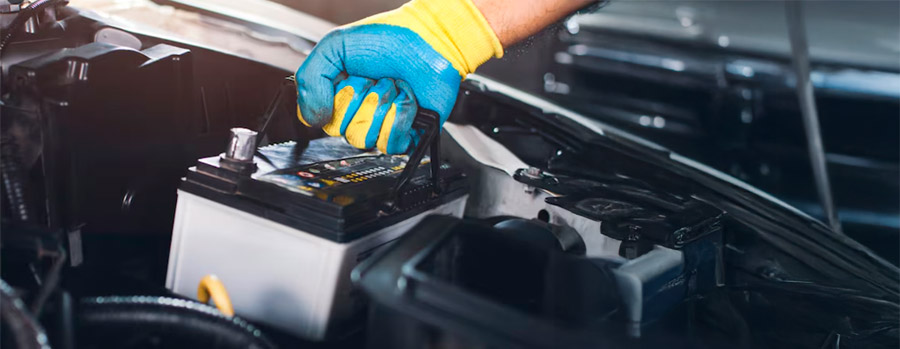
long drive, consider having your battery tested, particularly if it's several
years old or you've noticed slower engine cranking.
A little
preventative maintenance can help identify potential problems early and provide
greater peace of mind on the road.
Car Battery Maintenance Checklist
| Maintenance Task | Recommended Frequency | Why It Matters |
| Visual battery inspection | Periodically and during scheduled service | Identifies corrosion and visible damage |
| Battery performance test | During routine service, especially as the battery ages | Helps identify declining performance |
| Terminal inspection | During routine maintenance | Maintains reliable electrical connections |
| Charging-system inspection | When symptoms occur or testing indicates a problem | Identifies charging faults |
| Electrical drain diagnosis | If the battery repeatedly loses charge | Helps identify excessive power consumption |
| Battery replacement | When testing indicates replacement is necessary | Maintains reliable starting performance |
Always follow your Ford owner's manual and your technician's recommendations for vehicle-specific maintenance.
Get More Life Out of Your Car Battery at
Jarrett Scott Ford
Your car
battery plays a crucial role in keeping your vehicle dependable. Regular
inspections, clean electrical connections, sensible driving habits, and a
properly functioning charging system can help extend battery life and reduce
unexpected starting problems.
If
you're looking for trusted Ford service in Plant City, the technicians at
Jarrett Scott Ford can assess your battery's condition, inspect your charging
system, and determine whether replacement is necessary.
Whether
you need a battery test, help diagnosing repeated battery drain, or a
replacement battery that meets your vehicle's specifications, our team is here
to help.
Schedule your next service appointment with Jarrett Scott Ford today and take a proactive approach to battery maintenance.