14 September 2026Modern Ford vehicles can do a lot more
than get you from Plant City to your next destination. Depending on the model
and equipment, driver-assist technology can help monitor traffic, keep you
centered in your lane, warn you about vehicles in your blind spot, and even
help you avoid or reduce the severity of a collision.
These features rely on cameras, radar
sensors, and other components working together behind the scenes.
Most of the time, you may not even think
about them. But when a warning appears on your dashboard, a windshield is
replaced, or your vehicle experiences a collision, those cameras and sensors
may need attention.
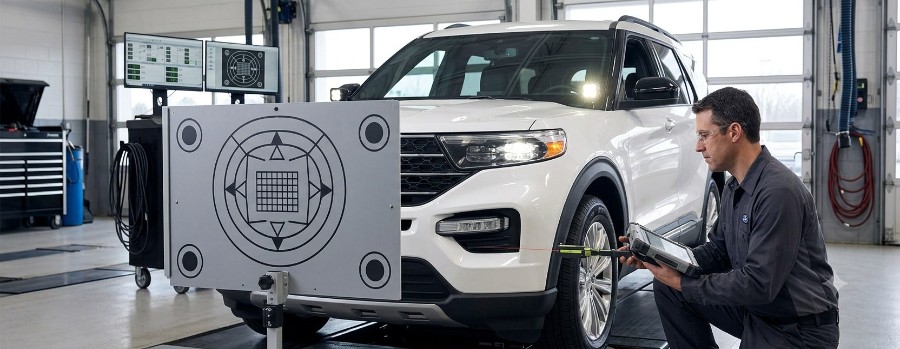
That is where proper Ford sensor
calibration and Ford camera calibration become important.
At Jarrett Scott Ford, we strive to make
service easy and effortless. If your Ford is displaying a driver-assist warning
or one of its safety features does not seem to be working correctly, scheduling
professional Ford ADAS service can help determine what is happening.
What Is ADAS and Why Does Your Ford Need It?
ADAS stands for Advanced Driver
Assistance Systems. These systems use cameras, radar sensors, and other
technology to monitor the area around your vehicle and provide information to
the driver or assist with certain driving tasks.
Depending on your Ford model and its
available equipment, driver-assist technology may support features such as:
·
Pre-Collision Assist
·
Adaptive Cruise Control
·
Lane-Keeping System
·
Blind Spot Information
System
·
Rear Cross-Traffic Alert
·
Evasive Steering Assist
·
Automatic Emergency
Braking
The exact features vary by vehicle.
While these systems are designed to make
driving easier and safer, they depend on accurate information. A camera that is
slightly out of position or a sensor that is no longer properly aligned may
affect how the system interprets what is happening around your vehicle.
That is why Ford safety system serviceis about more than simply clearing a warning from the dashboard.
When Do Ford Cameras and Sensors Need Service?
There is no single mileage interval that
means every Ford needs ADAS calibration. In many cases, calibration or
inspection becomes necessary after something changes around the components that
driver-assist systems rely on.
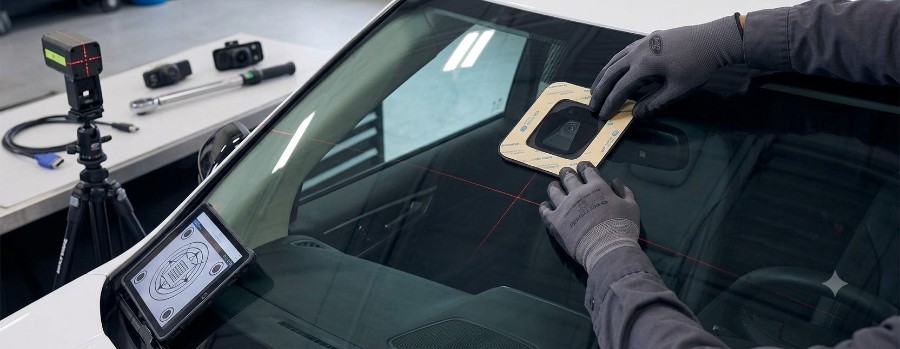
A windshield replacement is one common
example.
If a camera is mounted near the
windshield and the glass is replaced, its position can be affected. Even a
small difference in camera alignment can matter when the system is designed to
recognize lane markings, vehicles, pedestrians, or other objects.
Collision damage is another reason to
have these systems checked.
A minor accident may not leave obvious
damage to a sensor. However, the impact can move or affect components mounted
behind the bumper, grille, or other areas of the vehicle. The vehicle may look
fine from the outside while a sensor is no longer operating as intended.
Other situations that may warrant an
inspection include changes to suspension or wheel alignment, repairs involving
sensor mounting areas, or a dashboard warning related to a driver-assistance
system.
Signs Your Ford May Need ADAS Service
Your Ford does not necessarily need
calibration simply because a driver-assist feature behaves differently once.
However, persistent warnings or unusual system behavior should not be ignored.
You may want to have the system inspected
if you notice:
1.
Driver-assist warning
messages: Your vehicle may display a message
indicating that a safety or driver-assistance feature is unavailable, limited,
or requires attention.
2.
Features that stop
working: If a system that normally operates
suddenly becomes unavailable, there may be an issue that needs to be diagnosed.
3.
Unexpected system
behavior: If a lane-keeping, adaptive cruise, or
collision-warning feature does not appear to respond as expected, professional
inspection can help identify the cause.
4.
Recent windshield
replacement: If your Ford has a windshield-mounted
camera, replacement glass or work around the camera area may require
calibration.
5.
Recent collision or
front-end repair: Even seemingly minor impacts can affect
the position of sensors or their mounting points.
The important thing is not to assume that
every warning means the sensor itself has failed. The system may simply need
diagnosis, adjustment, calibration, or another type of repair.
What Is Ford Camera Calibration?
A camera needs to be positioned correctly
for the vehicle's computer to interpret what the camera sees accurately.
Ford camera calibration is the process of ensuring that the camera and its related
systems are correctly aligned according to the vehicle's specifications.
The exact procedure can vary depending on
the Ford model and the particular driver-assistance system.
Calibration may involve specialized
equipment, measurements, software, and specific conditions. It is not simply a
matter of pointing the camera in approximately the right direction.
Think of it this way: the camera is
providing the vehicle with information about the road. If the camera's position
is incorrect, the information reaching the system may also be inaccurate.
Proper calibration helps the vehicle's
driver-assistance systems use that information as intended.
What Is Ford Sensor Calibration?
Cameras are only part of the picture.
Many Ford driver-assist systems also rely
on radar sensors and other components to detect vehicles and objects around the
vehicle. These sensors need to be correctly positioned and functioning
properly.
Ford sensor calibration helps ensure that the relevant sensor systems are aligned and
communicating correctly with the vehicle's electronic systems.
For example, radar technology can play an
important role in systems that monitor the distance and movement of vehicles
ahead. If a sensor is moved during a collision repair or other work, its
accuracy may be affected.
That is why replacing a bumper or
repairing an area around a sensor can sometimes involve more than cosmetic or
structural repairs.
Why Calibration Matters After a Collision
After an accident, most drivers
understandably focus on visible damage.
A damaged bumper, dented fender, broken
headlamp, or scratched paint is easy to identify. Modern vehicles, however, can
have important technology positioned behind or around these components.
A collision repair that looks complete
from the outside may still require additional checks of the vehicle's
electronic safety systems.
This is one reason Ford driver assist
repair should be handled by technicians familiar with the systems and
procedures associated with your vehicle.
The goal is not simply to make the
vehicle look like it did before the accident. It is also important to make sure
the systems that help monitor the road are functioning properly.
Keep Your Ford's Safety Technology Working as Intended
Driver-assist technology is designed to
support you behind the wheel, but it is not something you should have to think
about every time you drive.
When the systems are working properly,
you can simply get in, buckle up, and focus on the road ahead.
If your Ford has recently been in a
collision, had windshield work, undergone repairs near a sensor, or started
displaying a driver-assistance warning, it is worth having the system checked.
Whether your vehicle needs Ford camera
calibration, Ford sensor calibration, diagnosis, or another type of Ford safety
system service, addressing the issue sooner can help you get your vehicle's
technology back to operating as intended.
If you are in Plant City or the
surrounding area and your Ford's driver-assist technology is giving you
trouble, visit Jarrett Scott Ford or contact our service team to schedule an
inspection. We are here to help make Ford service easy and effortless.