
Common Engine Issues in Ford Trucks and How We Fix Them
Every Ford truck on the road tells a story of heavy loads, long hauls, family trips, and hard work. And here’s the amazing part: the average Ford truck stays on the road for over 12 years and more, with many reaching 200,000+ miles when properly maintained.

From the F-150, America’s best-selling truck for over four decades, to the versatile Ranger and the powerhouse Super Duty, Ford trucks are designed for strength, endurance, and everyday dependability.
Of course, with years of hard work, even the strongest engines deserve a little attention. Whether it’s addressing overheating, rough idling, oil leaks, or low oil pressure, we’ve seen and serviced all engine faults Ford cars throw at us.
Think of it this way, it’s not about problems, it’s about keeping your truck in peak condition so it can keep hauling, towing, and running strong for years to come.
Let’s take a closer look at some of the most common Ford truck engine problems owners may encounter and how our team makes sure they’re resolved quickly, reliably, and affordably.
Why Is My Ford Truck Overheating?
Engine overheating is one of the most common and potentially damaging truck engine problems owners face. It often starts subtly, with the temperature gauge creeping higher than normal, but in severe cases you’ll see steam rising from under the hood.
Common Causes of Overheating
- Coolant Leaks: Even a small crack in a radiator or hose can cause coolant to escape, lowering the system’s ability to regulate temperature. Florida’s heat makes this worse, since engines naturally run hotter in warm climates.
- Failing Water Pump: The water pump acts like the heart of the cooling system, keeping coolant moving. When it fails, circulation slows, and hotspots develop inside the engine.
- Stuck Thermostat: If the thermostat jams closed, coolant can’t flow to the radiator. The result? Temperatures spike quickly, sometimes within minutes.
How We Fix It
At our Quick Lane at Jarrett Scott Ford, we don’t just top off fluids, we dig into the root cause:
- Pressure Testing the cooling system to identify hidden leaks.
- Inspecting Hoses, Radiators, and Water Pumps for cracks, wear, or poor circulation.
- Replacing Faulty Components with Ford OEM parts to guarantee proper fit and performance.
- Flushing and Refilling Coolant to restore the protective additives that fight corrosion and heat.
Catching overheating problems early can prevent warped cylinder heads, blown gaskets, or costly engine rebuilds. That’s why we encourage Ford engine repair and services at our center at Plant City when the first sign of rising temps arises.
Why Does My Truck Idle Rough or Misfire?
Few things frustrate Ford truck owners more than feeling their vehicle stumble when they should run smoothly. Whether it’s a rough idle at a red light or hesitation when accelerating, the issue usually comes down to how fuel and spark are working together.
Common Culprits
- Worn Ignition Coils: These provide the spark that ignites fuel. When they fail, combustion weakens, leading to shaking and loss of power.
- Clogged Fuel Injectors: Deposits build up over time, restricting fuel spray and creating uneven combustion.
- Old Spark Plugs: Worn plugs can misfire under load, especially during towing or heavy use.
Our Diagnostic Approach
We use factory-grade scan tools to check error codes and pinpoint the issue. From there:
- Ignition Testing confirms if coils or plugs are weak.
- Injector Flow Testing shows whether fuel is reaching the cylinders evenly.
- Targeted Repairs (not guesswork) restore smooth performance and fuel economy.
Once repairs are made, customers notice the difference immediately — stronger acceleration, smoother idle, and fewer trips to the pump.
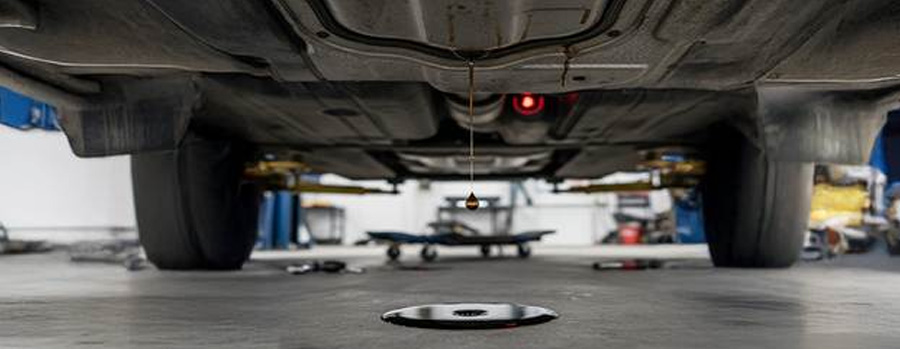
Why Is My Ford Truck Leaking Oil or Losing Pressure?
Finding oil spots in the driveway or seeing the low-oil-pressure light is more than an inconvenience, it’s a warning. Left untreated, leaks can starve the engine of lubrication, leading to severe internal wear.
Likely Sources
- Valve Cover Gaskets that harden over time, allowing oil to escape around the cylinder head.
- Oil Pan Gaskets are exposed to road heat and debris, which can crack or fail.
- Oil Filter Housing Issues that prevent proper sealing during oil changes.
Our Repair Process
- Visual Inspection of the engine bay and underbody for fresh oil traces.
- Replacement of Gaskets and Seals with Ford-approved parts.
- System Check to confirm proper oil pressure is restored.
This isn’t just about cleanliness. Maintaining oil pressure protects bearings, pistons, and cams, essentially the heart of your Ford truck.
What Does That Exhaust Smoke Mean?
Seeing smoke from your exhaust is never a good sign, and the color often reveals what’s happening inside your engine.
- Blue Smoke – Burning Oil
When oil slips past worn piston rings, valve seals, or gaskets, it burns inside the combustion chamber. The result? A noticeable blue haze from your tailpipe. This not only reduces oil levels but also signals internal wear that needs attention.
- White Smoke – Coolant Leak
Thick white smoke usually means coolant is leaking into the cylinders — often a sign of a blown head gasket or a cracked engine component. Beyond the smoke, this issue can quickly escalate to overheating and severe engine damage if left unchecked.
- Black Smoke – Too Much Fuel
Excessive black smoke points to a fuel system running too rich. Clogged air filters, faulty fuel injectors, or a bad sensor can all cause unburned fuel to exit the exhaust. Left unresolved, this hurts fuel economy and strains the engine.
How We Fix It
Our technicians run diagnostic checks to pinpoint whether the issue lies in seals, gaskets, or the fuel system. From gasket replacements to injector cleaning, we use OEM parts and precise repairs to restore clean, efficient engine performance.
Excessive Engine Noise: Knocking or Ticking
Engines are built to hum smoothly, so when you hear knocking, ticking, or other unusual noises, it’s a clear signal that something isn’t right.
Common Causes
- Low Oil Levels – Insufficient lubrication creates friction and metal-on-metal contact.
- Worn Lifters or Valvetrain Parts – These components wear over time, creating ticking or tapping noises.
- Carbon Buildup – Deposits inside the combustion chamber can cause knocking, especially under acceleration.
Why It Matters
Ignoring engine noises can turn a small maintenance issue into a major repair. Persistent knocking can lead to damaged pistons, rods, or bearings — some of the most expensive engine components to replace.
Our Repair Approach
We start with a full inspection: checking oil levels and condition, listening for internal wear, and scanning for misfire or sensor issues. If buildup is the culprit, we perform carbon cleaning; if it’s worn parts, we replace them with Ford-approved components. The result? A smoother, quieter, and healthier engine that’s ready for the miles ahead.
Preventive Maintenance: Your Best Investment
Every issue described above — overheating, misfires, brake faults, or leaks — shares one truth: prevention costs less than repair.
- Ford’s Intelligent Oil-Life Monitor helps track when service is due, but it doesn’t replace a trained technician spotting a coolant drip or uneven brake wear.
- Regular Multi-Point Inspections during Quick Lane visits catch small issues before they escalate.
- OEM Parts & Fluids ensure reliability and protect your factory warranty.
Preventive care saves you money, downtime, and headaches — keeping your Ford truck strong for years of work and travel.
Why Plant City Drivers Choose Jarrett Scott Ford Quick Lane®
When it comes to keeping Ford truck engines running strong, our customers return because they know they’re in expert hands:
- Factory-Trained Technicians who understand Ford engines inside and out.
- Genuine OEM Parts that ensure the right fit and lasting performance.
- Affordable Service Specials that make preventive maintenance easy on your budget.
From oil changes and coolant flushes to advanced diagnostics and repairs, our mission is simple: keep Plant City’s Ford trucks powerful, dependable, and road ready.
The difference comes down to how quickly and effectively you address engine concerns. With expert care, timely maintenance, and quality parts, you can extend your truck’s life, boost performance, and avoid costly repairs down the line.
So, the next time you notice overheating, rough idling, oil leaks, or a warning light, stop by Jarrett Scott Ford Quick Lane®. From routine service to complex engine diagnostics, we’ll make sure your Ford truck is ready for whatever the road throws its way.