
5 Signs Your Car’s Brakes Need Urgent Attention
28 October 2025
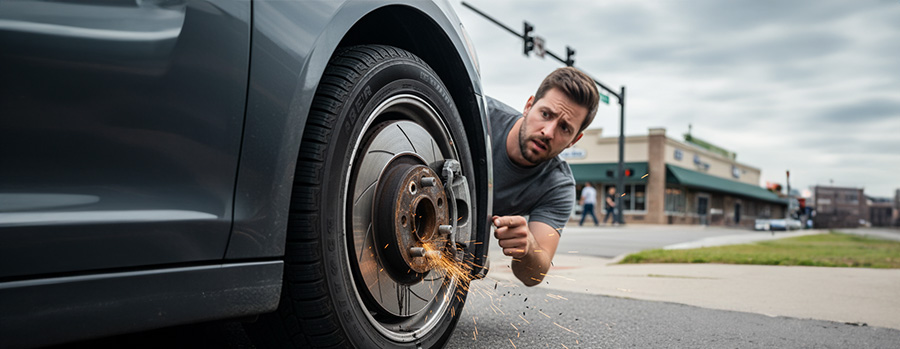
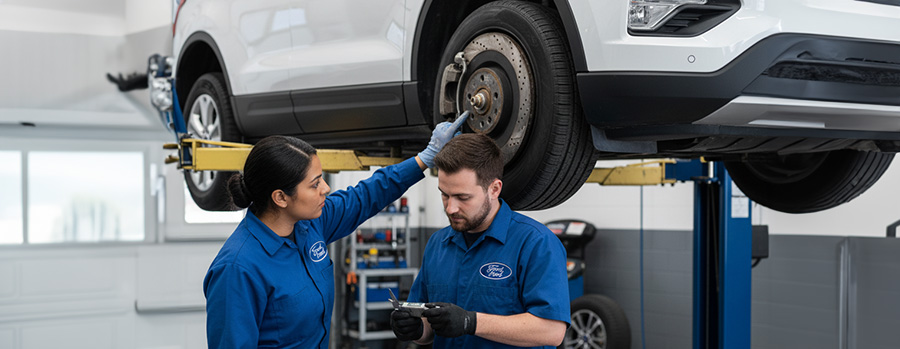
At Jarrett Scott Ford, our team is constantly discussing every aspect of vehicle maintenance to ensure we deliver the highest level of service. Our goal is simple, to keep your car performing smoothly and safely, mile after mile, here in Plant City.
In our day-to-day service tasks, we often come across numerous cases regarding an often-overlooked aspect of vehicle maintenance by the average customer. The Brakes.
It may not seem urgent until something goes wrong, but brake issues are more common than most people realize. Did you know that vehicles older than 15 years are 1.8 times more likely than newer vehicles to be involved in a brake failure crash, and around 264,000 car accidents that happen in the US yearly are due to some form of brake malfunction?
The fact remains that basic awareness about regular brake maintenance and service is all it takes to stay off the wrong side of that statistic.
Keeping yourself informed of signs of brake malfunction can be your saving grace. Our team at Jarret Scott Ford in Plant City has compiled 5 urgent signs you need to look out for regarding your brakes.
1. Are your Dashboard Warning Lights Flashing?
The Brake Warning Light
Your car has a built-in way of letting you know when there's an issue with the brakes, and that’s through the main brake system warning light. You’ll usually see it as a red circle with an exclamation mark in the middle, sometimes shown like this: (!) or (BRAKE).
This light typically switches on when the parking brake is engaged, but if it stays lit even after you’ve released it, there could be a few different problems at play.
- If the light doesn’t turn off after you’ve fully disengaged the parking brake, it often means that the brake fluid level in the master cylinder is running low. As your brake pads wear down, the calipers require more fluid to push them against the rotors, which can cause the fluid level in the reservoir to drop.
- A leak in the brake lines or other components is a serious concern that could lead to partial or complete brake failure.
- The light might signal a more general failure or a hydraulic issue within the braking system.
The ABS Warning Light
When your ABS is in good shape, it helps you keep your steering steady and your stability intact during abrupt stops or on slippery roads. But if the ABS lights up, it’s a clear indication that there’s an issue.
This could be due to a faulty sensor, some damaged wiring, low brake fluid, or even a malfunction in the ABS control module.
While your regular brakes will still function, the anti-lock feature may not engage when needed. That means at an emergency stop, your wheels could lock up, increasing the risk of skidding or losing control.
1. Sudden Stops Might Not Feel So Sudden Anymore!
So, you’ve noticed your car’s taking its sweet time coming to a stop? That’s your car quietly waving a little red flag, don’t just brush it off!
Those few extra feet before you stop could turn a close call into a real headache, especially in city traffic where everyone’s in a hurry and not paying attention
A variety of issues can cause this decline in braking performance:
- Worn Brake Pads: As pads become thinner, they lose the friction necessary to hold on to the rotors properly. This not only extends stopping distance but also can result in metal-to-metal contact, which harms your rotors.
- Glazed or Warped Rotors: They can be glazed or warped due to excess heat or severe braking, diminishing the rotors' capability to produce friction and resulting in pulsation or vibration when braking.
- Uneven Hydraulic Pressure: Air pockets or worn-out elements in the hydraulic system may produce uneven pressure distribution, leading your brakes to feel unsteady or one side being weaker.
- Worn Suspension or Bald Tires: Although your brakes may be in good condition, bald tires or worn suspension parts can influence traction and braking balance, particularly on wet pavements or rough roads.
- Be mindful to schedule regular brake inspections. Addressing wear early maintains braking balance, responsiveness, and overall vehicle safety.
Be mindful to schedule regular brake inspections. Addressing wear early maintains braking balance, responsiveness, and overall vehicle safety.
2. Braking Causing the Vehicle to Drift off a Straight Path.
Do you notice a pull to either side when you apply the brake on a sudden stop?
It might seem insignificant or just a minor inconvenience, but this is clear sign of uneven wear on brake pads
This usually happens when a brake caliper sticks or when pads on one side are more worn than the other. Uneven braking can also point to contaminated brake fluid or collapsed brake hoses.
Unbalanced braking makes the car harder to control but also causes uneven tire wear and steering issues over time.
Have your technician inspect the calipers, pads, and hydraulic lines on both sides. Correcting uneven wear early keeps your vehicle stable and safe.
3. Feeling soft, spongy, or low brake pedal response?
If Your brake suddenly becomes soft, spongy, or sinks lower toward the floor than normal, that's a warning sign.
This usually indicates air or water has gotten into your brake lines. Brake fluid is hygroscopic. It will pick up moisture out of the air naturally over time. When that occurs, it loses its pressure-holding capability, and your pedal feel is impacted.
A faulty hydraulic system lowers braking performance and may result in slow stopping, particularly under emergency conditions. A brake fluid exchange drains old, water-contaminated fluid and fills with new fluid. You'll regain that solid pedal feels and have your brakes respond instantaneously when you need them.
4. Hearing sounds from your brakes?
Brake pads have a small metal tab, referred to as a wear indicator. When the pad material is worn down to a specific level, this tab engages with the rotor, producing a high-pitched squeal.
It's meant to alert you that your pads are approaching the end of their life.
If left alone, that squeal becomes a grinding sound that is deeper. Now the pad material has been consumed, and the metal backing is grinding against the rotor, which is being destroyed with each stop.
Worn-out pads not only decrease your stopping ability but can result in expensive rotor replacements.
Have a brake check as soon as you notice a squeal. Replacing the pads ahead of time saves your rotors, enhances braking performance, and maintains your drive quiet and smooth.
Schedule a Brake Change Service at Jarrett Scott in Plant City
Subtle squeaks and dashboard warnings are your brakes way of telling you when something’s not right and paying attention can make the difference.
If you’ve noticed any of these warning signs, don’t wait. Schedule your brake service at Jarrett Scott Ford Plant City today. Ask about our brake service specials and get expert care designed to keep your vehicle performing safely, mile after mile.
Did you know that a car battery’s average lifespan is just 3 to 5 years, but climate and heavy usage can shorten that significantly?
You’ve probably seen the terms Multi-Point Inspection or Vehicle Check-Up pop up when booking an oil change or dropping off your car. Maybe you've even heard a service advisor men
Learn how to spot early signs of transmission trouble in your Car. From slipping gears to fluid leaks, this guide helps Plant City drivers avoid costly repairs.
You’ve probably seen the terms Multi-Point Inspection or Vehicle Check-Up pop up when booking an oil change or dropping off your car. Maybe you've even heard a service advisor ment
Your tires are the unsung heroes of every drive. They’re the only point of contact between your Ford and the road, quietly working to keep you safe, steady, and in control.
Electric vehicles are quietly revolutionizing the way we drive in Plant City. From instant torque off the line to silent, smooth commutes for everyday errands, Ford EVs are changi
Every Ford truck on the road tells a story of heavy loads, long hauls, family trips, and hard work. And here’s the amazing part: the average Ford truck stays on the road for over
When it comes to keeping your Ford running strong, few services are as essential as a periodical oil change in Plant City. Regular oil changes protect your engine, improve perform
If you’ve ever had a repair done, you’ve probably been faced with the choice: Do I go with OEM parts or save some money with aftermarket alternatives?